
The Story Behind the RNLI Garden at Sandringham
There is something very fitting about designing a garden for the RNLI in Norfolk. The coastline here has shaped the way I think about landscape. Big skies, shifting dunes, salt air and expansive salt marshes that blur the boundary between land and sea. It is a landscape that feels both resilient and constantly changing.
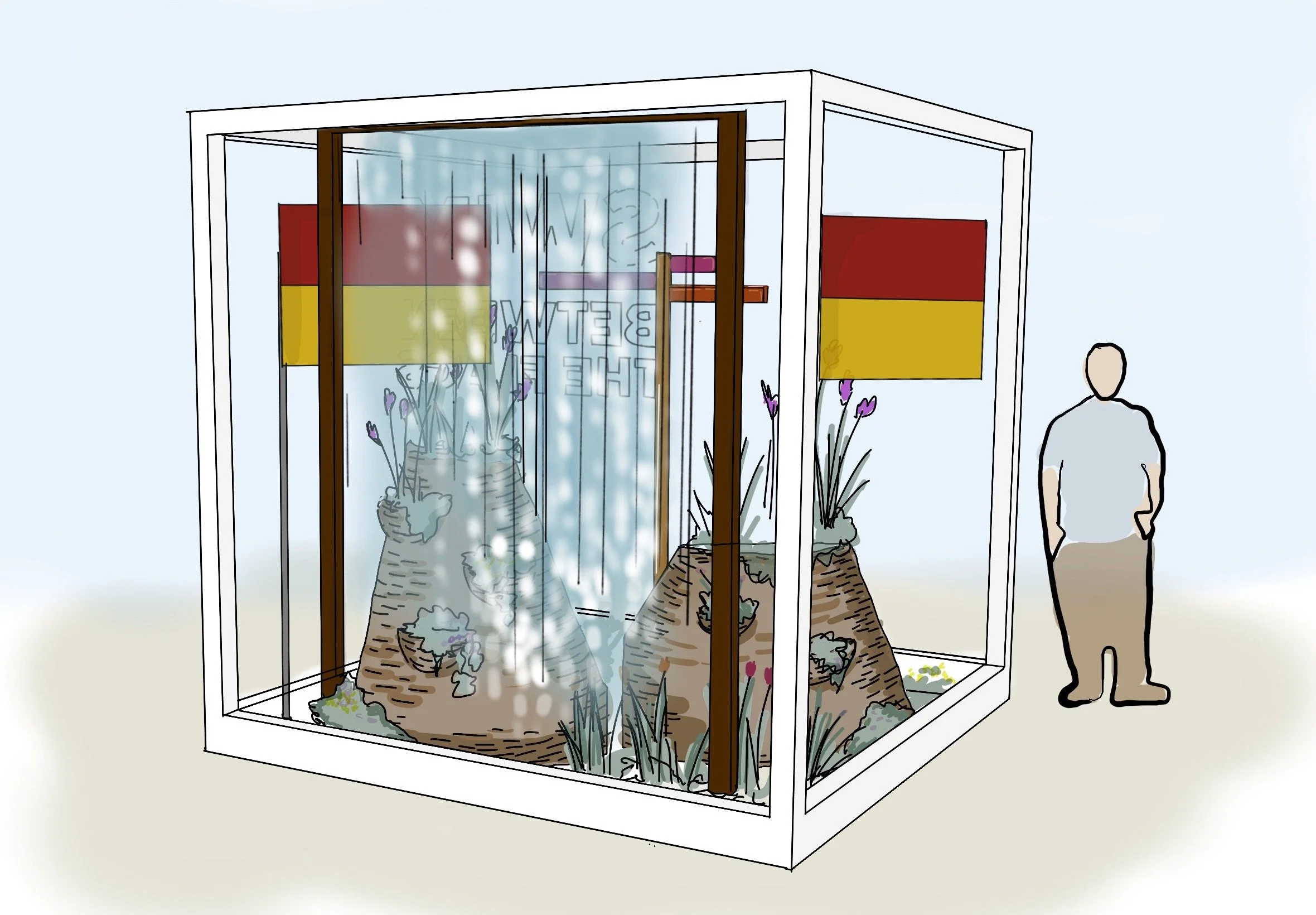
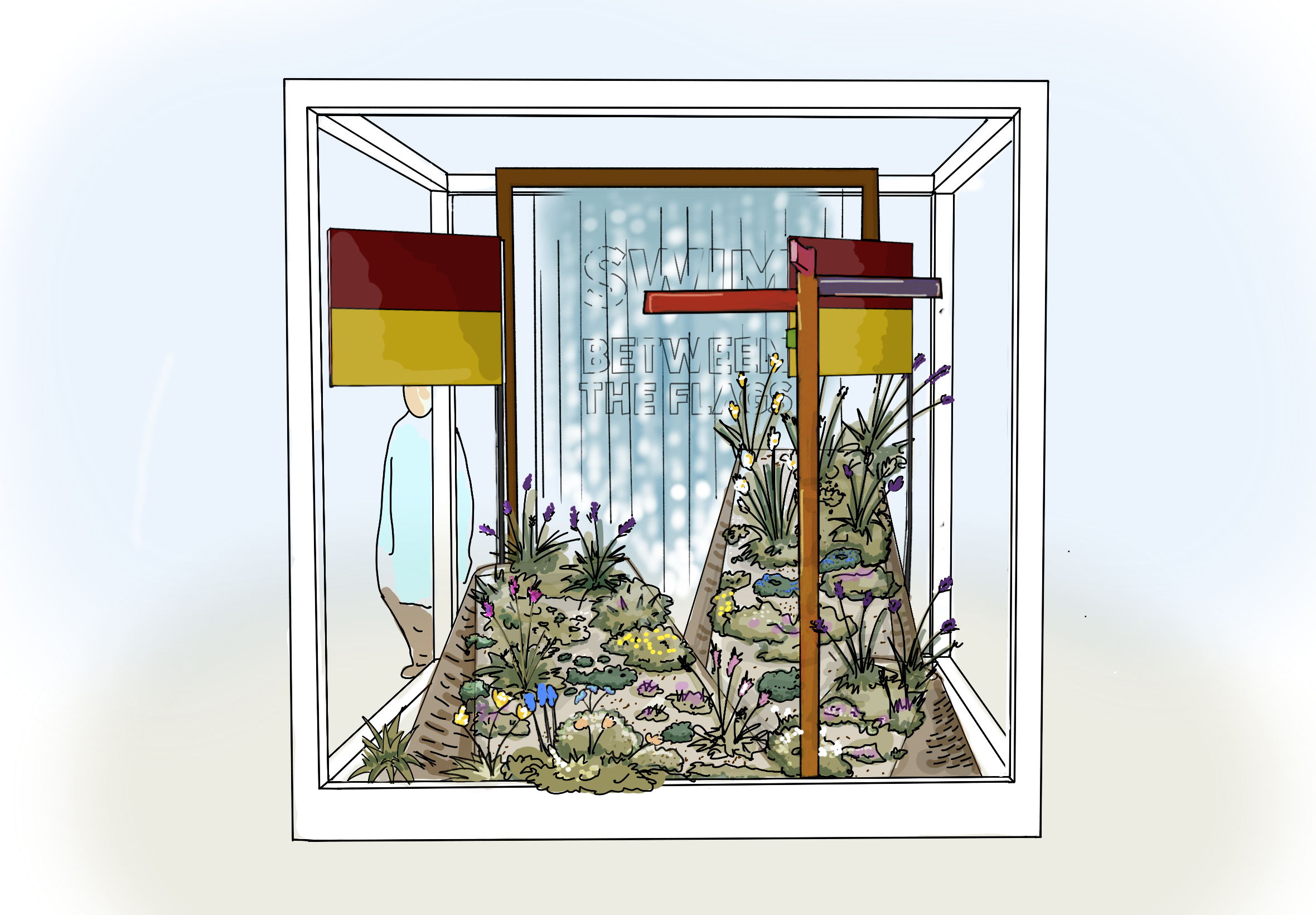
This summer, I have the privilege of designing an RNLI garden for RHS Sandringham 2026. A small space with a big responsibility.
The garden, Swim Between the Flags, is inspired by the RNLI’s lifeguards and the quiet preventative work they do every day around the UK coastline. So much of the RNLI’s impact happens before an emergency ever occurs. Clear guidance, calm intervention, local knowledge and visible markers that help people stay safe in unpredictable environments.
As someone with a background in marine and freshwater biology before moving into landscape architecture, coastal systems have always fascinated me. Beaches and dunes are constantly moving landscapes. Never fixed. Never fully controlled. Designing a garden around this idea felt like a natural fit.
Woven forms rise like abstracted dunes, wrapped around a planting palette inspired by British coastal environments. Grasses move in the wind. Crushed shell references the shoreline. Vertical elements draw directly from the RNLI’s iconic red and yellow flags, creating moments of rhythm and recognition through the garden.
Rather than creating a literal interpretation of the coast, I wanted the garden to capture a feeling. The atmosphere of stepping onto a beach path. The movement of marram-like grasses. The sound of water and wind. That slight sense of exposure you feel at the edge of land and sea.
One of the biggest design challenges has been balancing storytelling with practicality. Show gardens only exist for a short moment in time, but they require an enormous amount of thought behind the scenes. Budgets, construction methods, transport, weather resilience, sustainability, maintenance and sourcing all shape the final design just as much as the initial concept sketch.
Because of that, material choices have become incredibly important. Much of the garden is being designed around reuse, recycling and low-waste construction. The woven structures are intended to feel temporary and lightweight, almost as if the landscape itself could have shaped them. Wherever possible, elements will either be repurposed after the show or returned into useful circulation.
Planting for a late July show also brings its own considerations. The palette needs to withstand heat and exposure while still feeling naturalistic and calm. Structure and texture have become more important than overly ornamental planting. The aim is for the garden to feel grounded and believable rather than theatrical.
Designing a show garden is often described as stressful, and it certainly can be. But it is also incredibly rewarding. There is something special about seeing an idea gradually move from sketchbook notes and material samples into a physical landscape that people can experience.
Most importantly, this project feels deeply meaningful. The RNLI is an organisation that so many people across the UK feel connected to, whether through coastal communities, family experiences, or simply seeing those red and yellow flags on the beach growing up. To contribute, even in a small way, through landscape design feels like a real privilege.
Over the coming weeks and months, I’ll be sharing more of the process behind the garden. From material experimentation and planting development to construction and the realities of building a show garden from the ground up.
