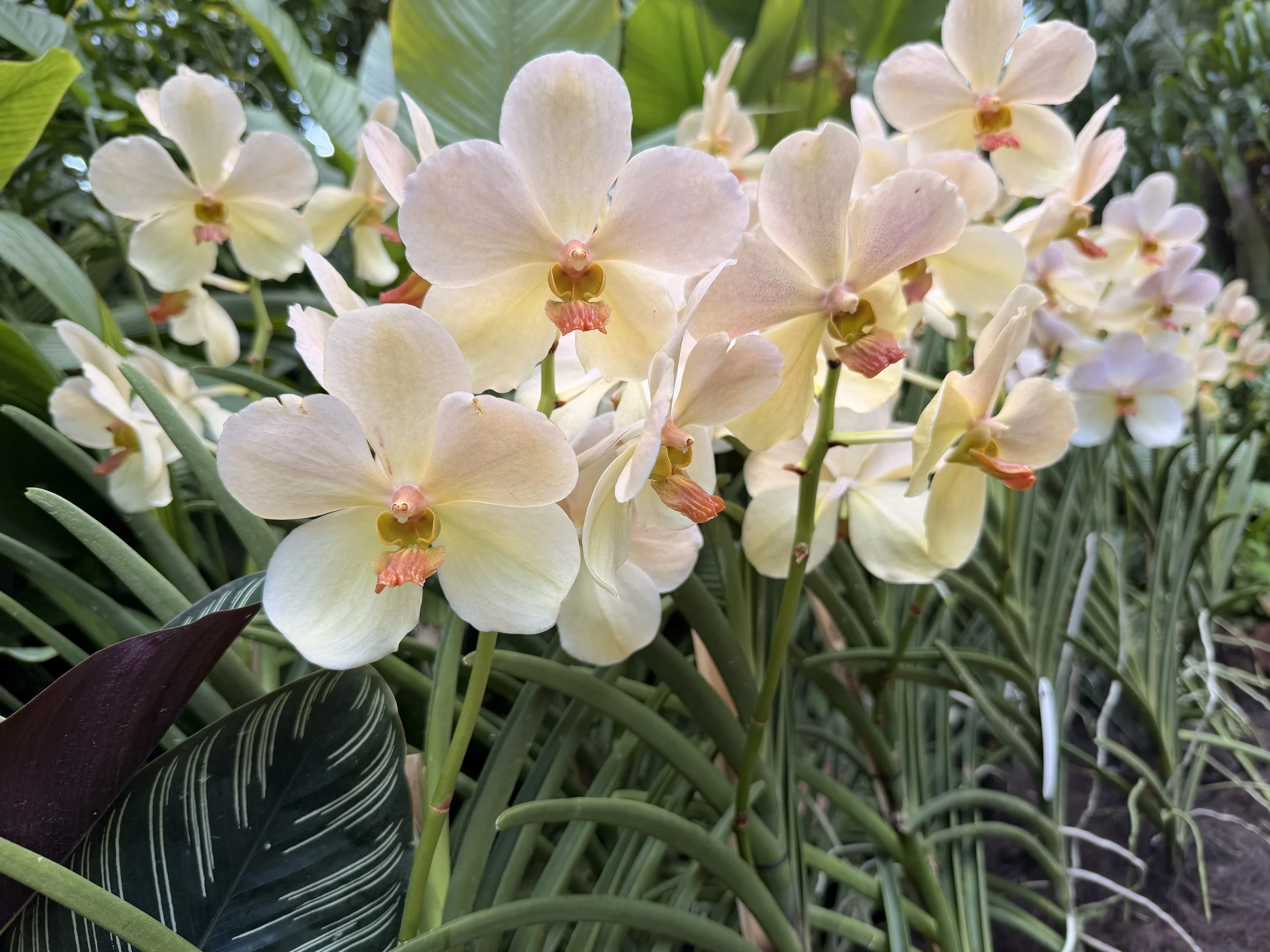
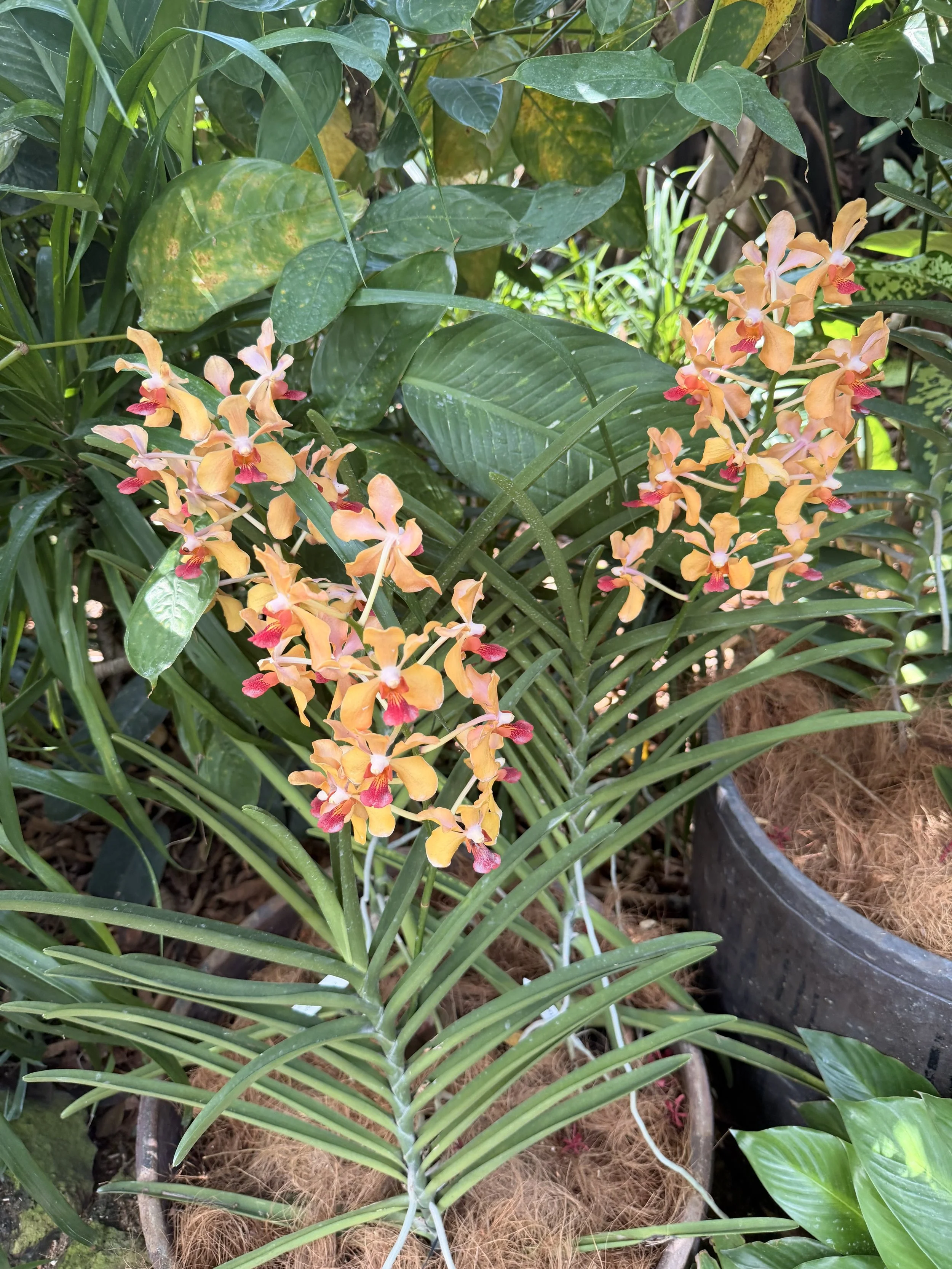
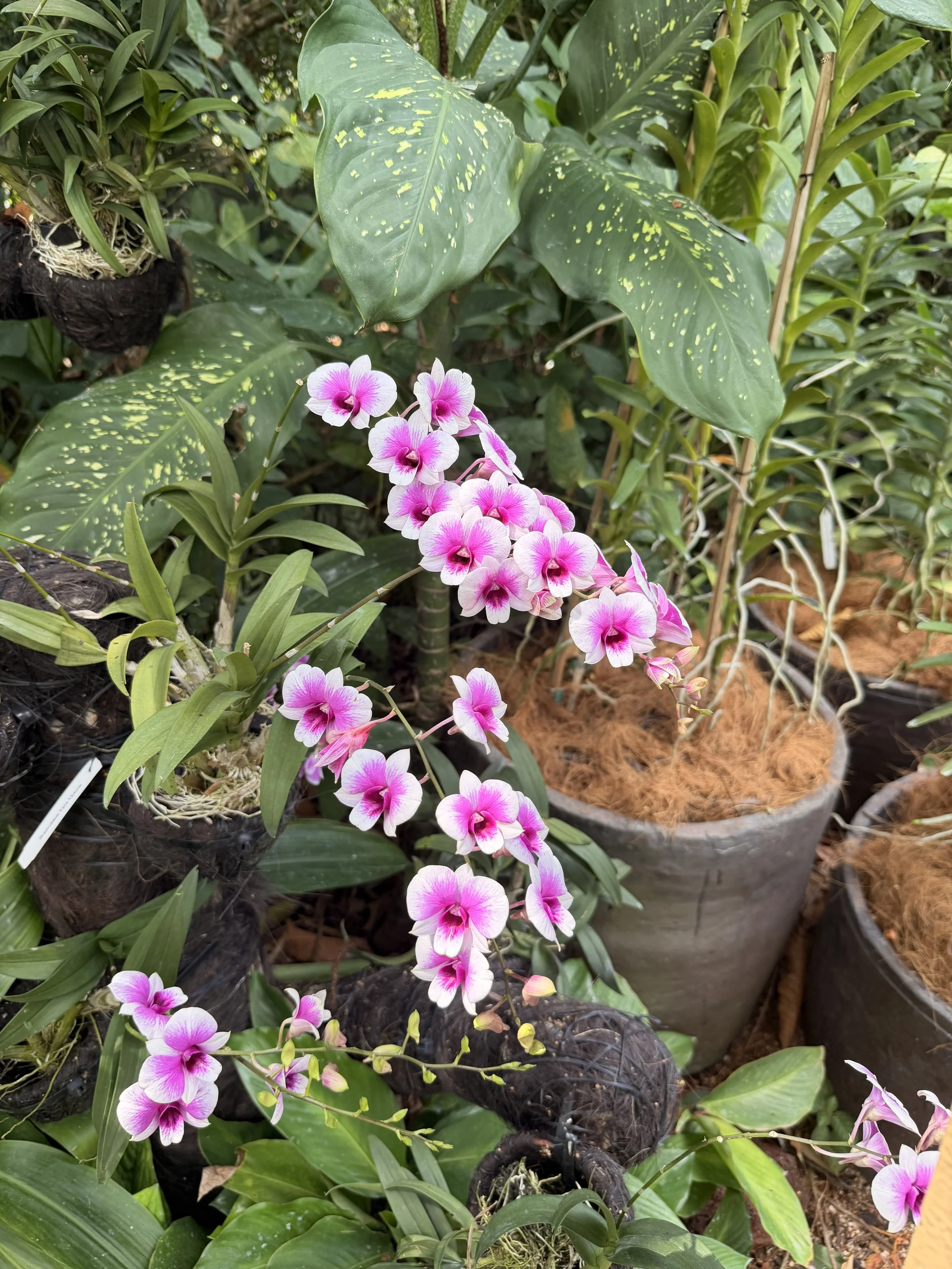
National Orchid Garden, Singapore
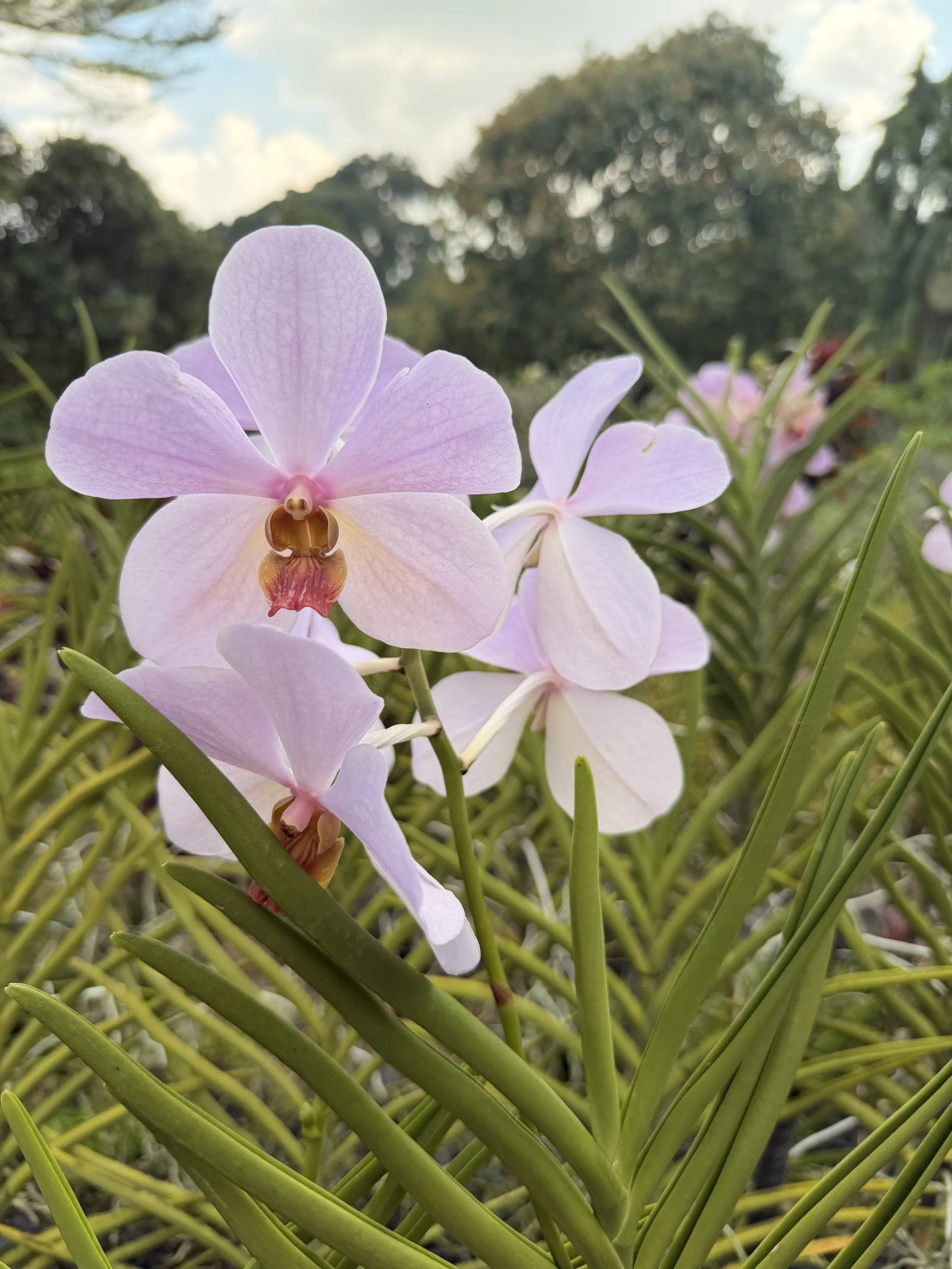
Visiting the National Orchid Garden in Singapore this October was an experience I approached not just as a visitor, but as a landscape architect eager to understand why the space feels so compelling and where its design choices could be pushed even further. The garden is undeniably beautiful, but what struck me most was how meticulously choreographed the entire experience is. Light filters through tall palms to create a sense of gentle arrival, and the initial planting intentionally frames each view. Still, there were moments when the sheer density of colour and texture tipped into saturation, reminding me how vital visual pacing is, even in gardens designed around spectacle.
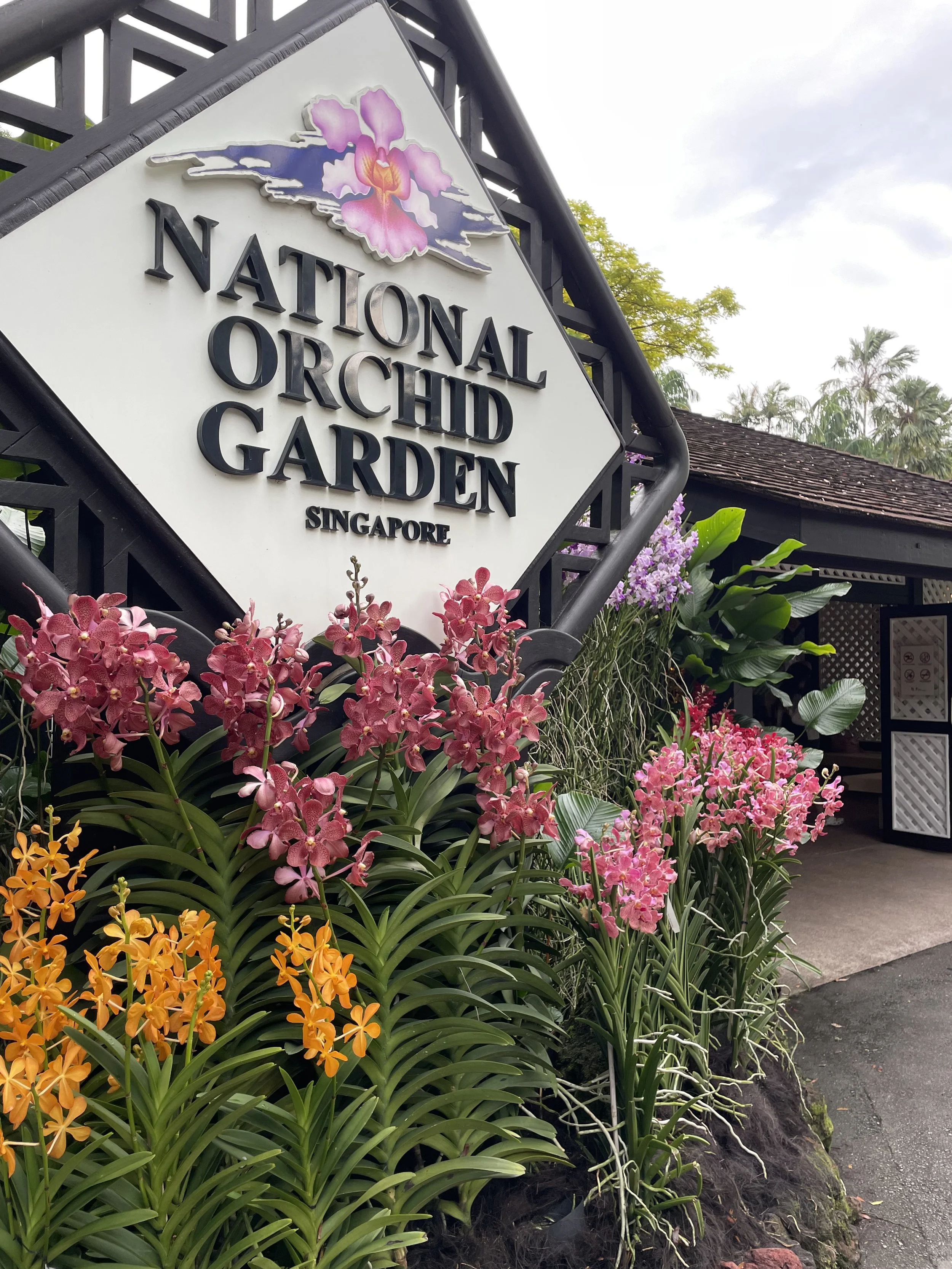
The Sembcorp Cool House offered a dramatic shift. A microclimate that cools the body and the mind, so important here in Singapore. Its immersive mist and atmospheric planting showed how environmental modulation can act as narrative, not just horticulture. Yet the architectural structure occasionally felt too assertive, revealing how delicate the balance is between housing a collection and preserving a sensory experience.
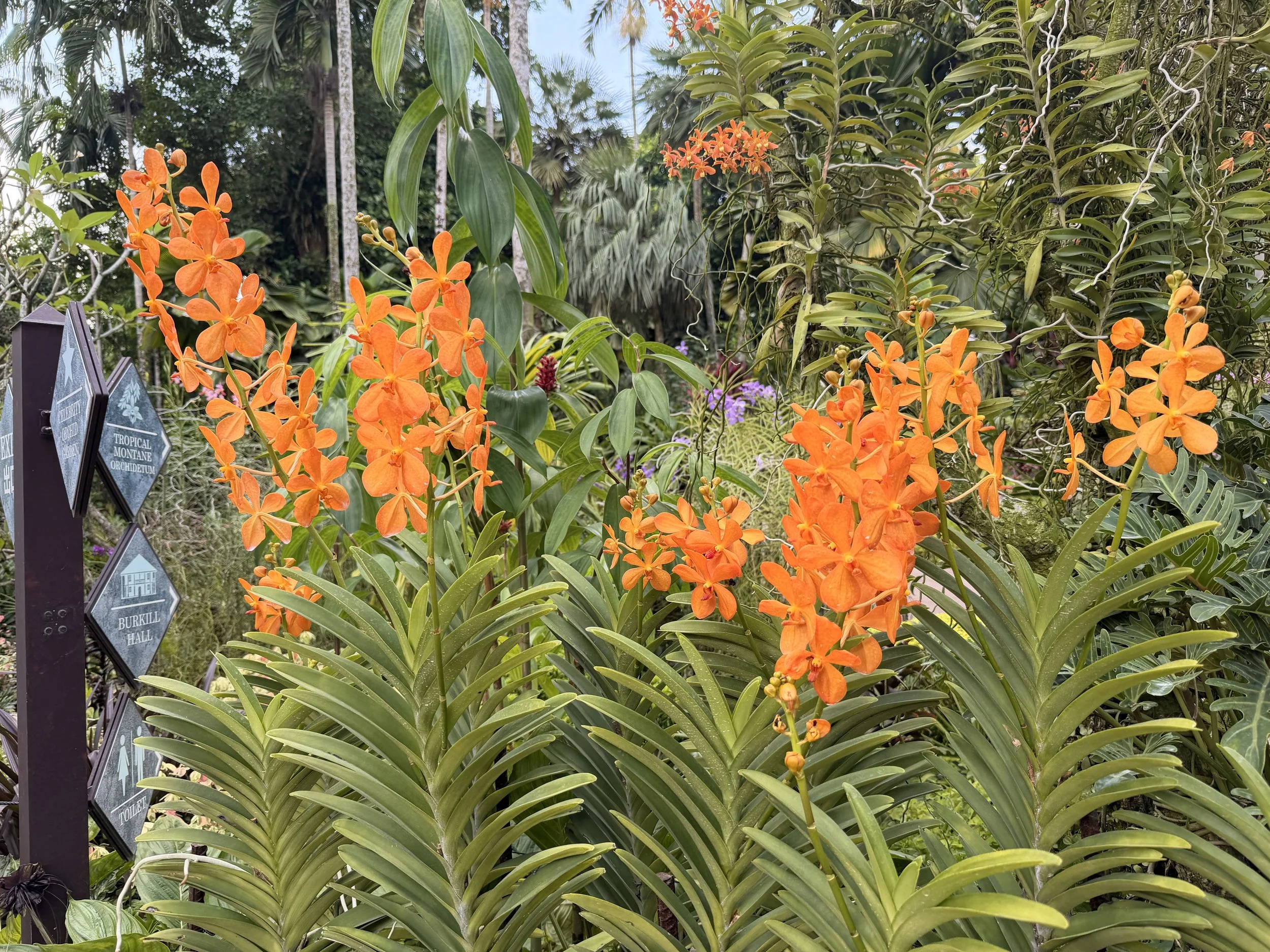
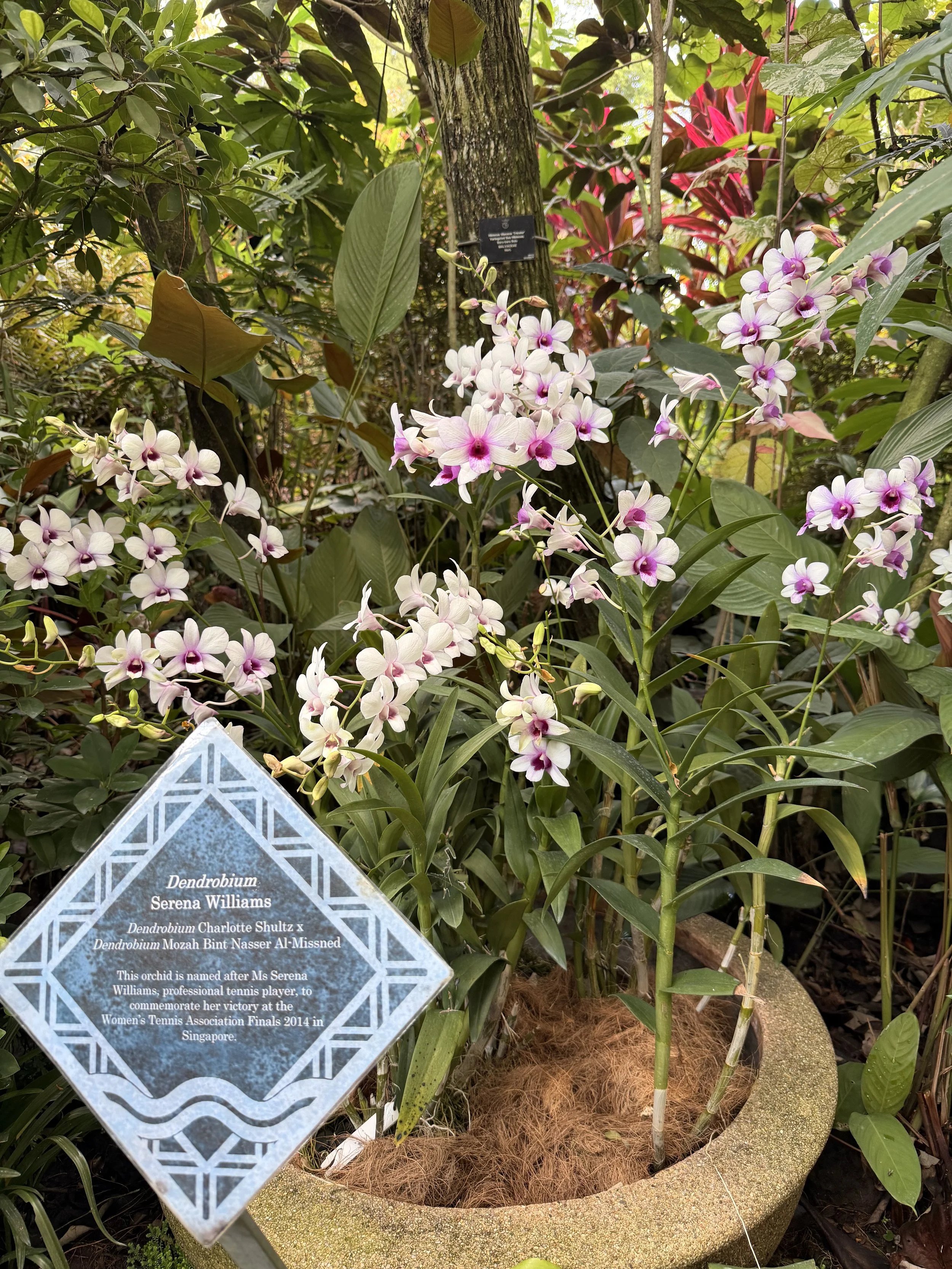
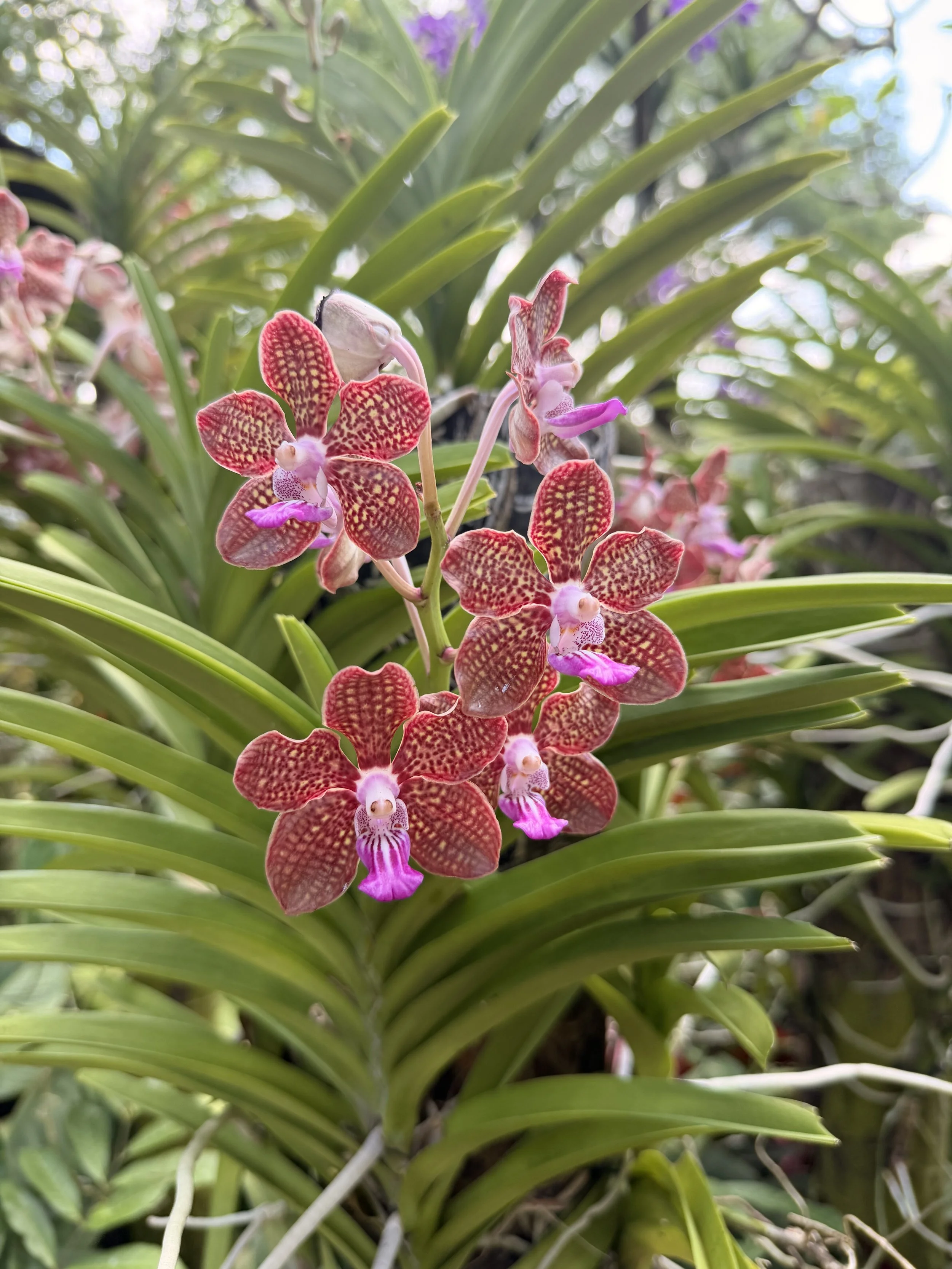
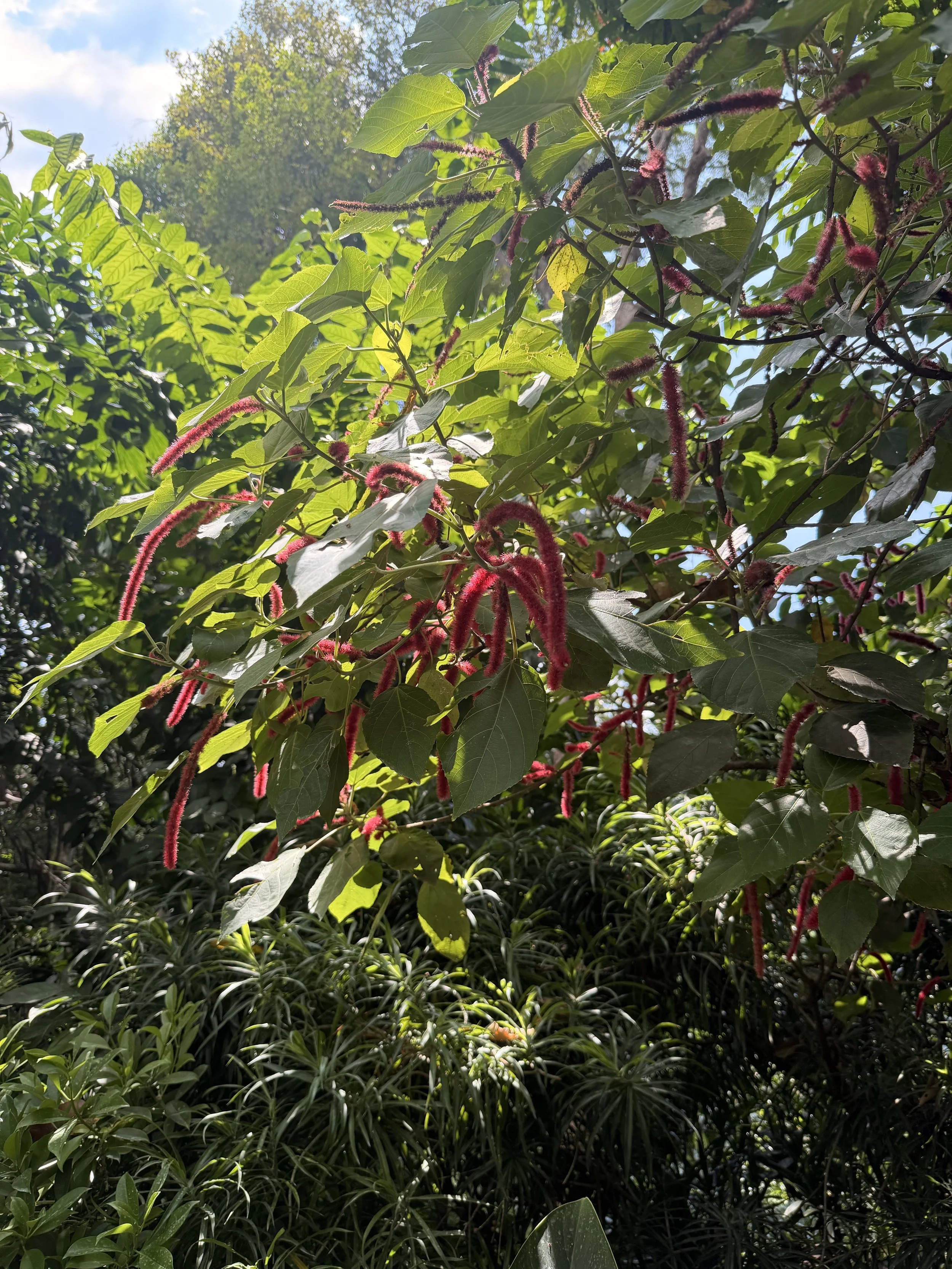
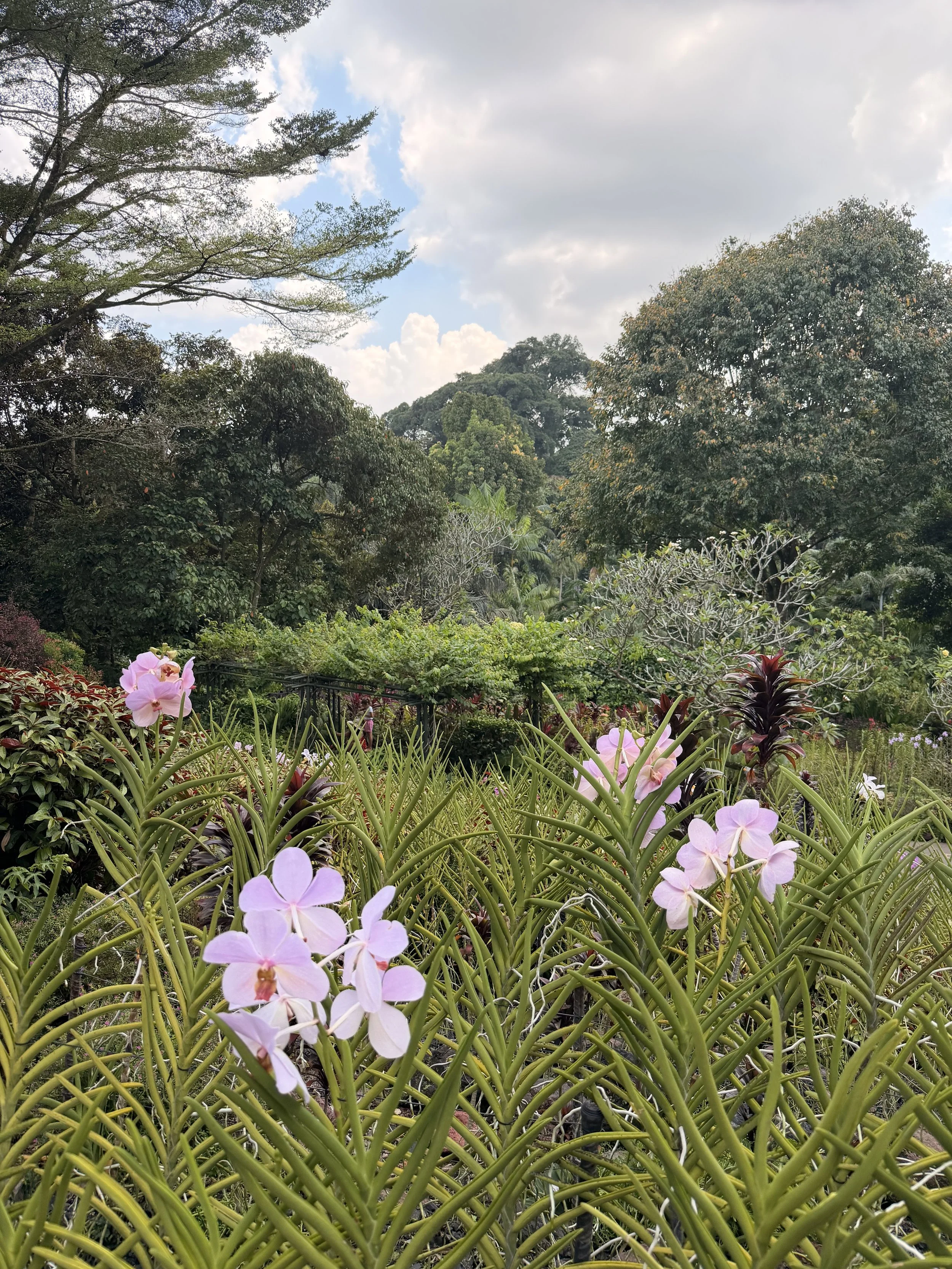
Throughout the Orchid Garden, abundance is both its greatest strength and its greatest risk. The layering is masterful. Tall, structural foliage, mid-tier explosions of orchids, and softened edges at ground level. However, in places, the exuberance threatens to blur the hierarchy. The Tan Hoon Siang Mist House, full of vivid hybrids, demonstrated colour at its most expressive. These moments reinforced a lesson I continue to explore in my own practice: bold planting needs anchoring tones to maintain rhythm and clarity.
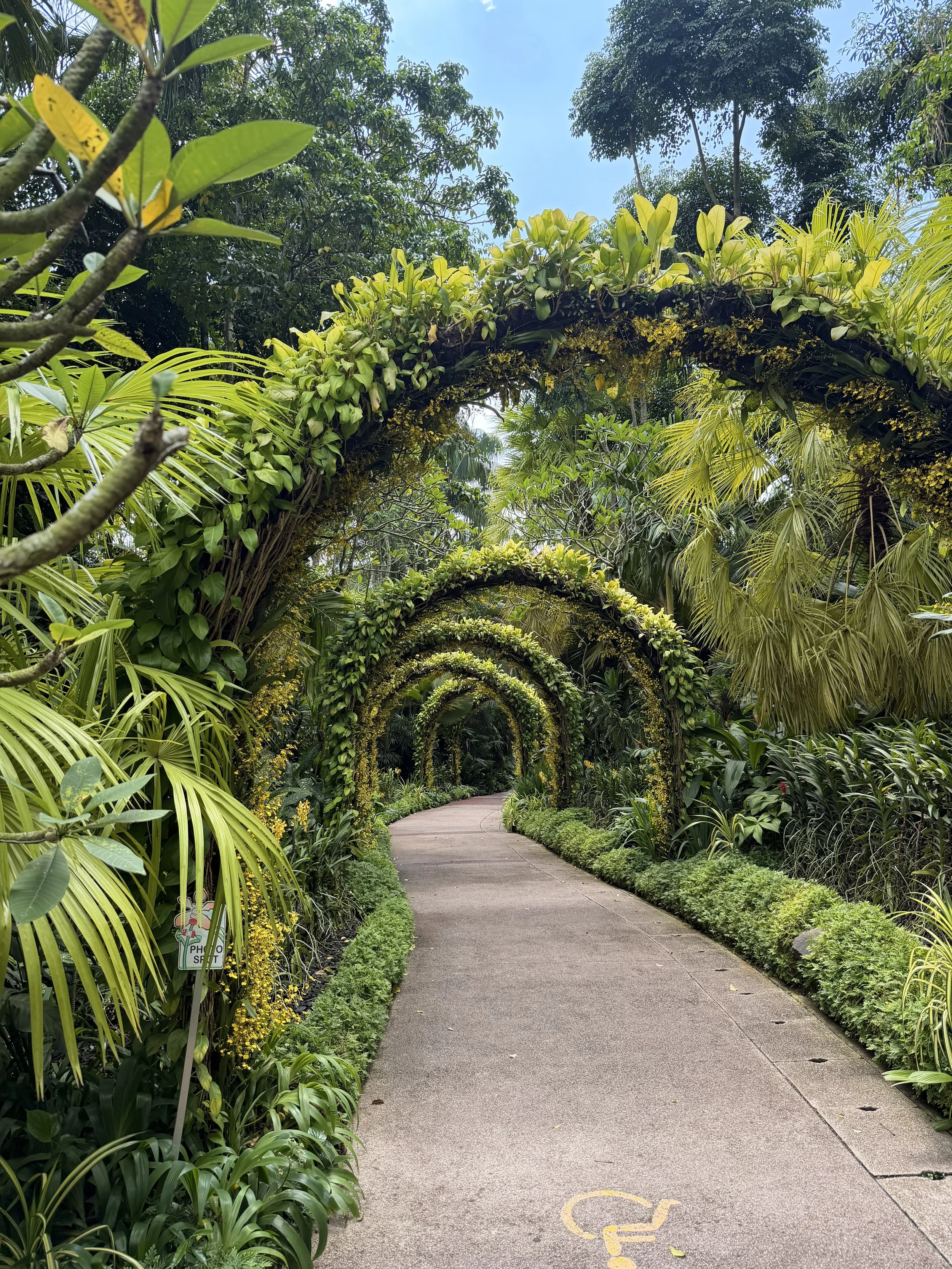
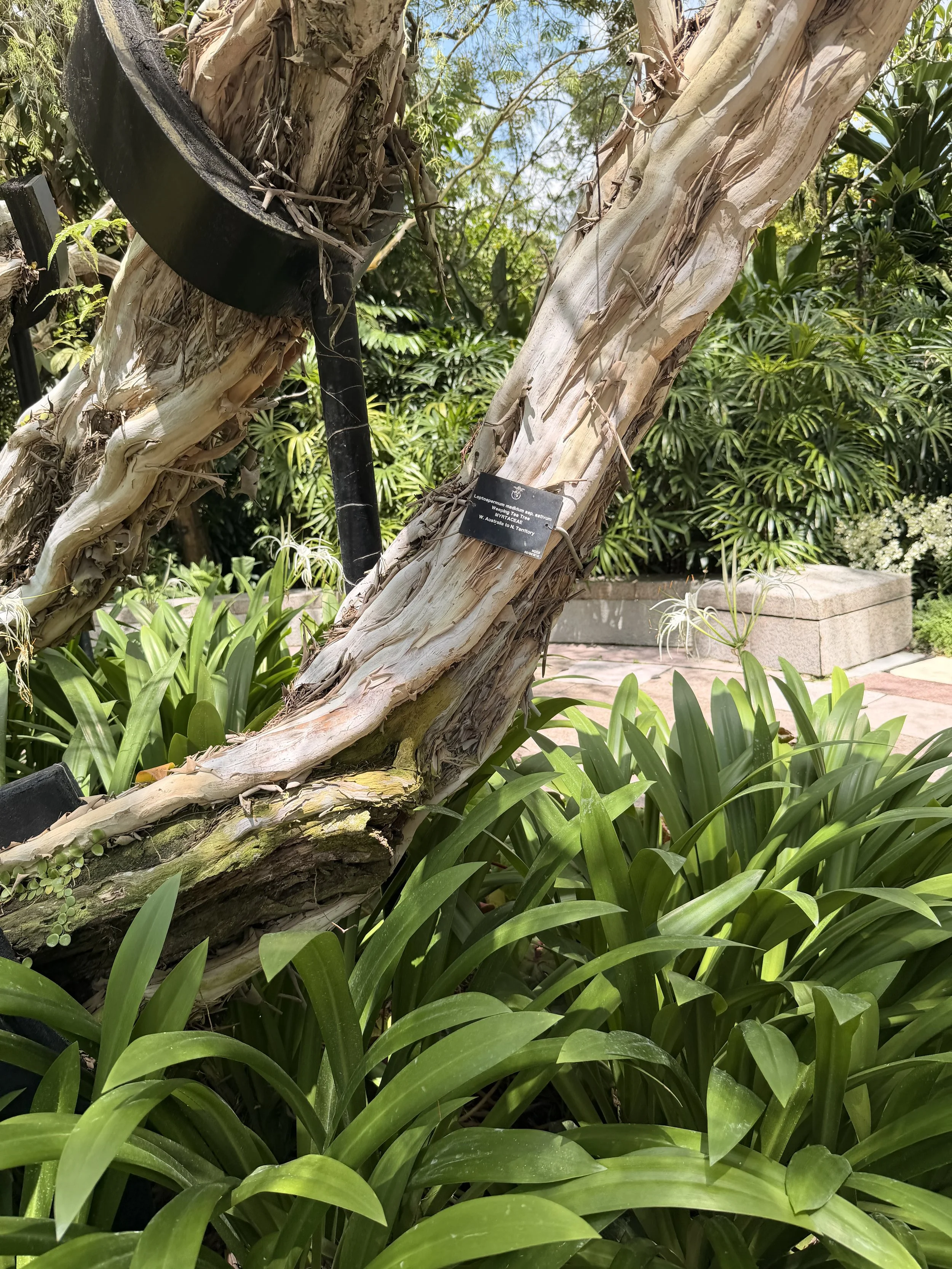
Surprisingly, it was the quieter pockets, simple paths, soft greens, and water movement, that offered the most profound design insight. They made the surrounding intensity feel intentional rather than relentless, proving again that restraint is not absence but structure.
Leaving the garden, I carried with me a deeper understanding of how spectacle, microclimate, colour, and rhythm can work together. It affirmed the importance of designing for emotional pacing, for breathing room, and for the interplay between abundance and calm. These are lessons I’m eager to carry forward into the landscapes I create.